

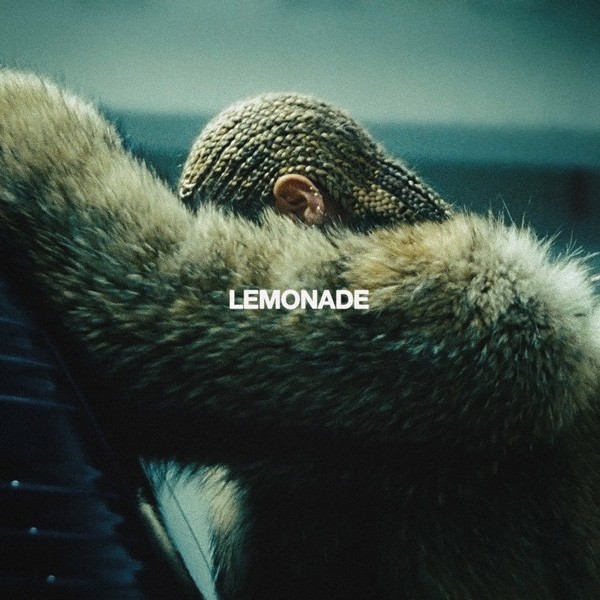
When Malcolm X's voice shows up midway through the short-film version of Beyoncé's Lemonade, its inclusion says a lot. Beyoncé samples a 1962 Malcolm speech, a part where he calls the black woman the most disrespected person in the world. Given that Lemonade is, above all, an album about personal heartbreak, a moment like that -- and plenty more moments, both on the album and in the film -- translate that pain on a larger scale. They put this rage and humiliation in a larger social context, making Beyoncé's story one among many. That resonates in a bunch of different directions, and one of those directions is this: They remind us that it is not a white man's place to speak authoritatively about Lemonade. So as a white man, I'm not going to attempt any of that. As a part of the demographic that's done most of that disrespecting over the centuries, I'm a pure interloper when it comes to talking about all the levels on which an album like this works. Here at Stereogum, we've already run a great piece from Collin Robinson that gets deeper into the album on that level. This is true of every album, but it's especially true of this one: I don't want anyone reading this to think that I'm giving the final word on this, or that I think I'm giving the final word. I do, however, want to write about this album as an exceptional piece of pop music, because that's what I think it is.