

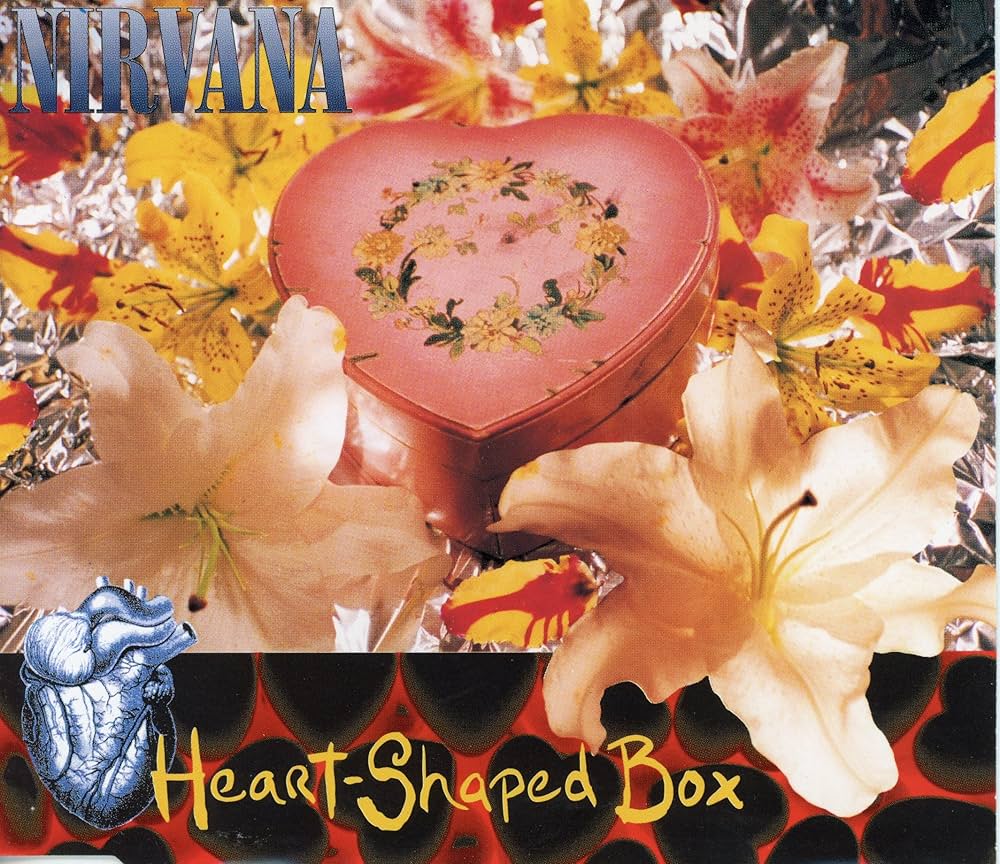
October 16, 1993
- STAYED AT #1:3 Weeks
In The Alternative Number Ones, I'm reviewing every #1 single in the history of the Billboard Modern Rock Tracks/Alternative Songs, starting with the moment that the chart launched in 1988. This column is a companion piece to The Number Ones, and it's for members only. Thank you to everyone who's helping to keep Stereogum afloat.
Nobody in rock history has ever had to make an album quite like In Utero before. The circumstances that led to In Utero are entirely unique. It's hard enough to follow a universally lauded breakthrough album. But when you're trying to follow a universally lauded breakthrough album that also marked a momentous cultural sea change? When you've suddenly yanked yourselves out of obscurity and into the pantheon? When your own ideals mean that you can never be comfortable in that new position? When all of your destitute idols suddenly have major-label deals and you're the reason? When you think that most of the other bands who have followed you into stardom are lame? When you've come to stand in for various different generational buzzwords that mean nothing to you? When you also have so much other bullshit happening in your life? Well, brother, that's a lot.
Here are some things that happened to Kurt Cobain in the two years between the releases of Nevermind and In Utero: He got rich. He got famous. He married another person who was in the process of getting rich and famous. He became a father, and then the authorities briefly took his baby away because of press comments about his and his wife's drug use. His occasional heroin use ballooned into full-on addiction. His chronic stomach pain and depression got worse. He redid his band's paperwork so that he'd get most of the royalties, and in the process, he pissed off his two bandmates in a major way. How does anyone create art under those circumstances? How is it even possible?