
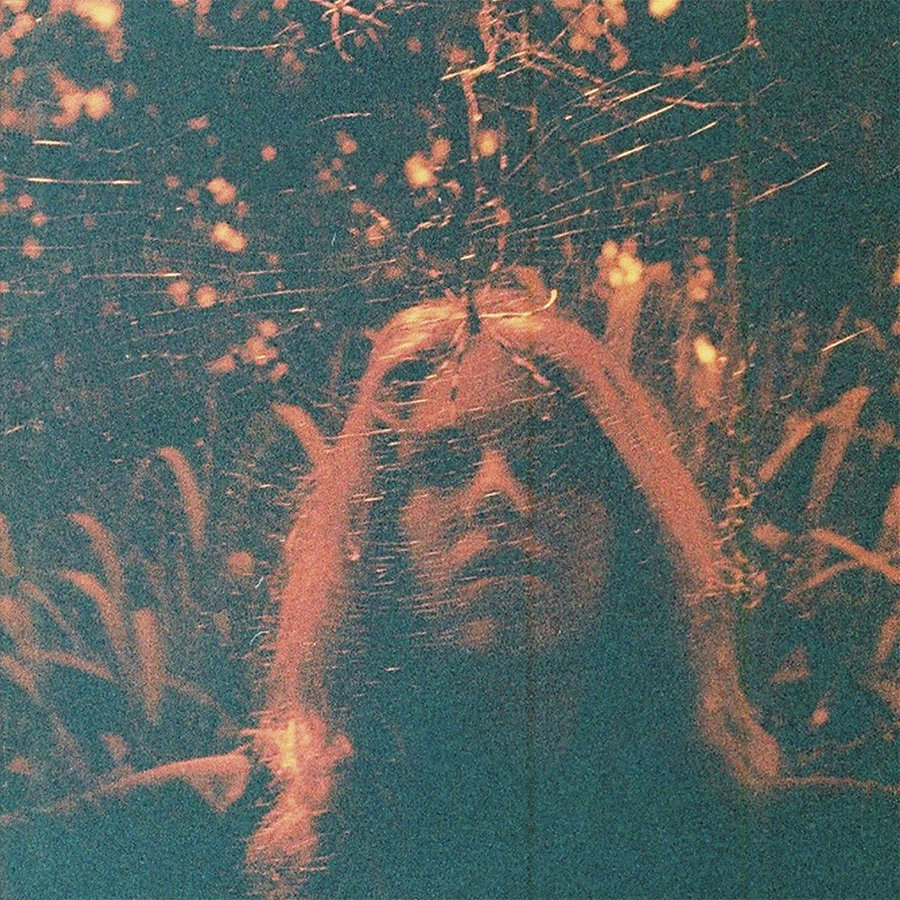
- Run For Cover
- 2015
Turnover started off as a pop-punk band. Before their breakthrough sophomore album Peripheral Vision, and even before its edgy predecessor Magnolia, there was the 2011 self-titled EP, which contained five angsty anthems full of shouts and headbang-worthy bridges that landed them on bills alongside post-hardcore fixtures like Title Fight and Balance And Composure. “That was what made our band click, that scene,” bassist Danny Dempsey told Billboard around the release of Peripheral Vision. “But now we’re all older.”
Peripheral Vision — which turns 10 on Sunday — was a headfirst dive into a new genre. Whereas Turnover and Magnolia thrived off of fun guitar parts and pure invigoration, Peripheral Vision is definitively mid-tempo, meandering and distorted, hypnotic and atmospheric. The echoey ambiance is the result of a Superego pedal, Dempsey revealed in that same interview. “It’ll sustain any note you hit so you can build five chords on top of each other and build a layer underneath the song. I think it made everything sound a lot bigger than it really is,” he explained. The record doesn’t only sound incredibly expansive, but it also manages to feel simultaneously devastating and ecstatic, like both the perfect album for rainy nights and sunny days, or the perfect album for a breakup or a new love.
Hailing from Virginia Beach, Turnover could easily be mistaken for being from the Pennsylvania scene where Title Fight, Balance And Composure, Tigers Jaw, and other similar bands emerged. All of those acts have cultivated a devoted following, but it’s rare that their niche success translates to Billboard charts. With Peripheral Vision, Turnover achieved #19 on Alternative Albums, #4 on Heatseekers Albums, #15 on Independent Albums, and #28 on Top Rock Albums. Still, it’s hard to say if anyone could’ve predicted the beloved status that it still maintains a decade later. (Pitchfork definitely didn't, rating it a 6.6. What were you thinking, Ian Cohen?) It’s also rare that fans stay onboard for such a dramatic shift in sound, but instead it gained them more fans than ever before, as well as more press. “A lot of magazines and stuff that probably wouldn’t have responded in the past are acknowledging it and posting about the new stuff,” Dempsey told Billboard.
Peripheral Vision opens with the sprawling slowburner “Cutting My Fingers Off,” in which Austin Getz likens heartbreak to amputation, introducing a violence that’s subtly speckled throughout the record, somewhat hidden by the deceptively exuberant guitars. “Cut my brain into hemispheres/ I want to smash my face until it's nothing but ears/ I want to paint my drain with a little red stain tonight,” Getz lilts on “Take My Head,” as playful as a nursery rhyme. On “Like Slow Disappearing,” he recalls a romance that transforms him: “And I was not myself when I opened up my eyes again.”
It's hard to say what exactly is so special about these songs. Refrains that shouldn't be hooks are hooks; moments that come across as bland to passive listeners are massively significant to fans. The first few notes of every track trigger a visceral reaction in my brain, like the vibrant "New Scream" intro. "Dizzy On The Comedown" is a song I can't listen to without feeling it everywhere. When I saw them perform it live a few years ago, concertgoers were passionately shouting the lyrics while Getz delivered them with anticlimactic coolness; there was an obvious, baffling dissonance between the contained aura of the music and the enthusiasm it evokes, especially when it comes to the lines, "Would you come here and spin with me?/ I've been dying to get you dizzy/ Find a way up into your head/ So I can make you feel like new again."
The breakup plot peaks on the resentful "I Would Hate You If I Could." The atmosphere has the dazed, sunny texture of a beautiful memory as Getz recalls moments from a relationship, struggling to let go as he admits, "I would hate you, but I’m not finished yet." Peripheral Vision inhabits this limbo state, still glowing with love, not ready for the spark to fade.
The overwhelming praise for Peripheral Vision often borders on annoying, inspiring countless memes (there is a Facebook group with 10,000 followers called "All I do is post Peripheral Vision memes”) and backlash, with many dismissing the album as boring. It’s totally understandable why someone would feel that way about Peripheral Vision. The songs don’t really go anywhere or strive for much, but they’re also undeniably pretty. The guitars glimmer and flutter, offering an intoxicating sense of movement even if they're difficult to actually dance to. Despite the middling tempos, the crowd is often jumping up and down and even crowdsurfing whenever I see Turnover play Peripheral Vision tunes live.
Shortly before Peripheral Vision, Title Fight switched to shoegaze with Hyperview. After Peripheral Vision, Balance And Composure went distorted and gauzy with Light We Made and Hundredth got fuzzy on RARE. Meanwhile, Turnover struggled to follow up Peripheral Vision; 2017's Good Nature, while having some memorably groovy moments like "Super Natural" and "Nightlight Girl," lacked the evocative texture of Peripheral Vision, and they lost the plot even more with 2019's confused Altogether (our own Abby Jones roasted it for Pitchfork, and she was right). It's hard to think of an album that flopped worse than their 2022 experimental mess Myself In The Way. Turnover is a band that's been having an identity crisis since the conception; the magic of Peripheral Vision was probably purely accidental. They can't recreate it, but they don't need to because it doesn't lose its shine.
We rely on reader subscriptions to deliver articles like the one you're reading. Become a member and help support independent media!