

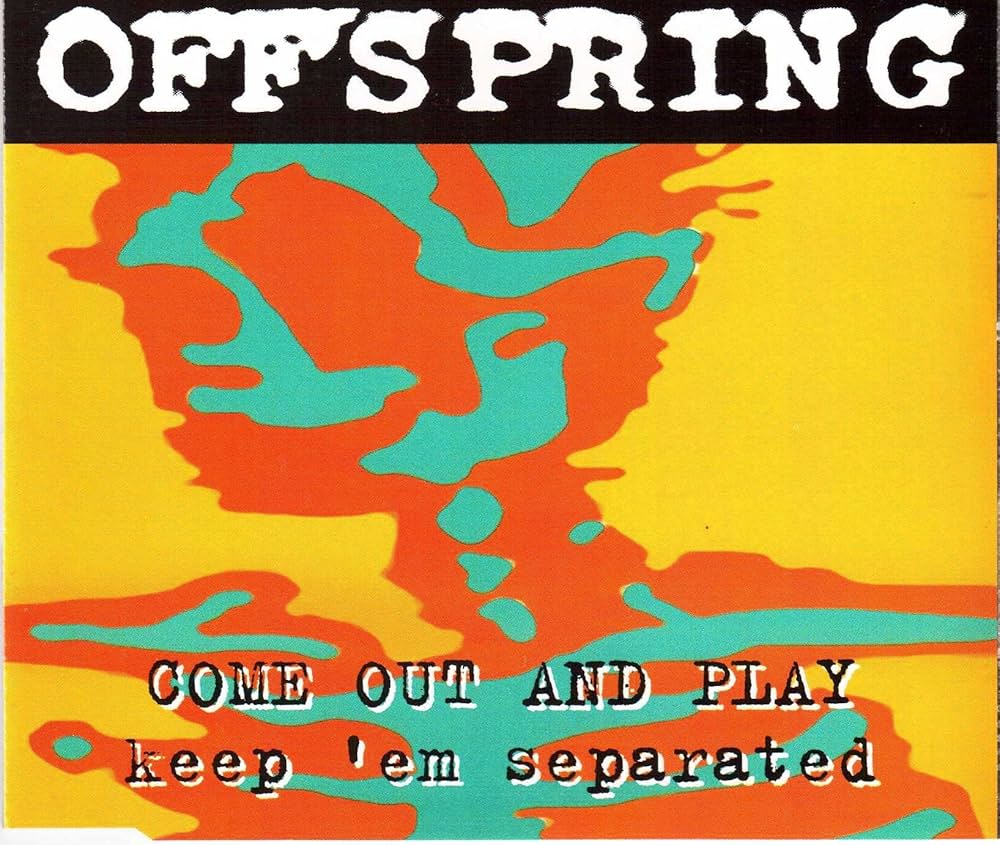
July 30, 1994
- STAYED AT #1:2 Weeks
In The Alternative Number Ones, I'm reviewing every #1 single in the history of the Billboard Modern Rock Tracks/Alternative Songs, starting with the moment that the chart launched in 1988. This column is a companion piece to The Number Ones, and it's for members only. Thank you to everyone who's helping to keep Stereogum afloat.
For about six months in 1994, the Offspring looked like the Rolling Stones to Green Day's Beatles. Those two bands' near-simultaneous arrivals in the popular imagination made for a genuinely game-changing subcultural moment, and it changed things at least as much as the original grunge explosion -- probably not coincidentally, almost exactly at the moment that the grunge explosion died down. Green Day and the Offspring's first radio hits heralded a sudden boom in fast, down-the-middle pop-punk -- a genre that probably could've always held more radio appeal than grunge, if not for the surrounding subculture's ambient disdain for gen-pop success. Green Day, cute and catchy and bouncy, were the ideal envoys for this thing, which had flourished in the shadows for years before its main-stage moment. Compared to them, the Offspring seemed dangerous.
Green Day and the Offspring came from different California punk scenes, but those scenes intersected plenty. The two bands released two cult-sensation albums apiece before blowing up on the radio, and both of them showed real popcraft instincts long before alt-rock radio programmers noticed. Green Day sang about self-hatred and indolence. The Offspring sang about self-hatred and violence. When the Offspring blew up, their sound was raw and muscular, even compared to what Green Day were doing. And the Offspring didn't have to sign to a major label to become huge. Instead, they did the unthinkable -- selling millions of CDs to suburban teenagers without ever leaving their own punk ecosystem. In the moment, that was revolutionary.