

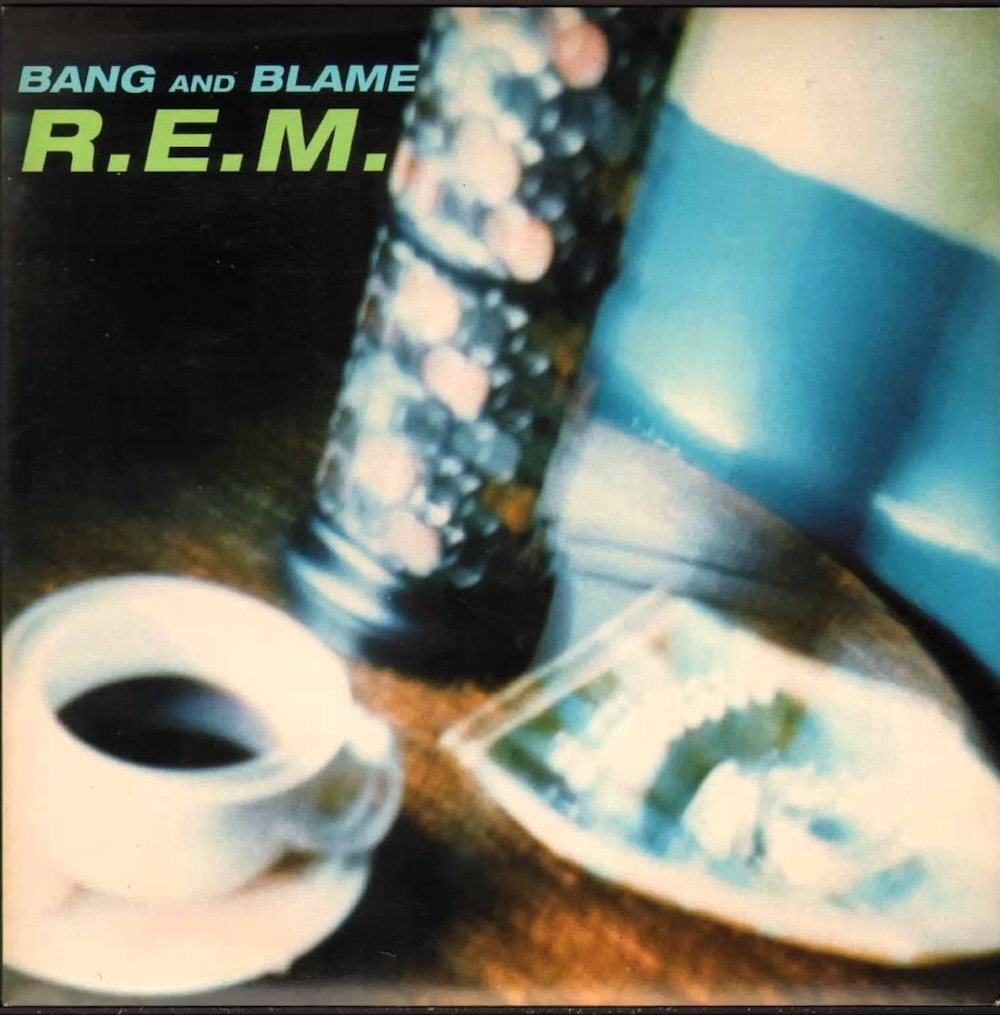
December 17, 1994
- STAYED AT #1:3 Weeks
In The Number Ones, I'm reviewing every single #1 single in the history of the Billboard Hot 100, starting with the chart's beginning, in 1958, and working my way up into the present. Book Bonus Beat: The Number Ones: Twenty Chart-Topping Hits That Reveal the History of Pop Music.
"Some bands I like to namecheck, and one of them is R.E.M." That was Stephen Malkmus, drawling hard and bringing his customary level of cryptic irony to "Unseen Power Of The Picket Fence," Pavement's contribution to the 1993 compilation No Alternative. That comp was a big deal, a moment when alt-rock giants like Nirvana and Soundgarden and future Pavement adversaries Smashing Pumpkins could use their live tracks and throwaways to raise money for AIDS relief. It was probably a big deal that Pavement were on it, too. At the time, Pavement were coming off of their breathlessly acclaimed debut album Slanted And Enchanted, and observers wondered whether they were gearing up for something comparable to R.E.M.'s run in the '80s -- that band's pre-stardom time as a mythic underground institution. Naturally, Pavement used what might've been the biggest look of their collective career to write a song about R.E.M.'s pre-stardom time as a mythic underground institution.
Pavement actually went on to achieve that mythic underground-institution status, and they did it while making music that I personally find extremely irritating. As it happens, "The Unseen Power Of The Picket Fence" is one of the few Pavement songs that I really like. (Another is 1994's "Cut Your Hair," which was Pavement's only Modern Rock chart hit. That one peaked at #10. It's an 8.) "Unseen Power" has nastier, more locked-in riffs that I can remember hearing on any other Pavement song, and it has Malkmus putting more bite into his delivery. I've never fully understood the intent behind the song, and that's probably by design. Maybe Pavement were paying real homage to past masters and influences, listing song titles like they were naming ancient scriptures even as they discussed "Time After Time (Annelise)," Malkmus' "least favorite song." Maybe they were mocking the R.E.M. legend and the comparisons that they were already getting. Either way, the song ends with Malkmus invoking the image of General Sherman marching and burning his way through Georgia at the end of the Civil War and coming face-to-face with R.E.M.