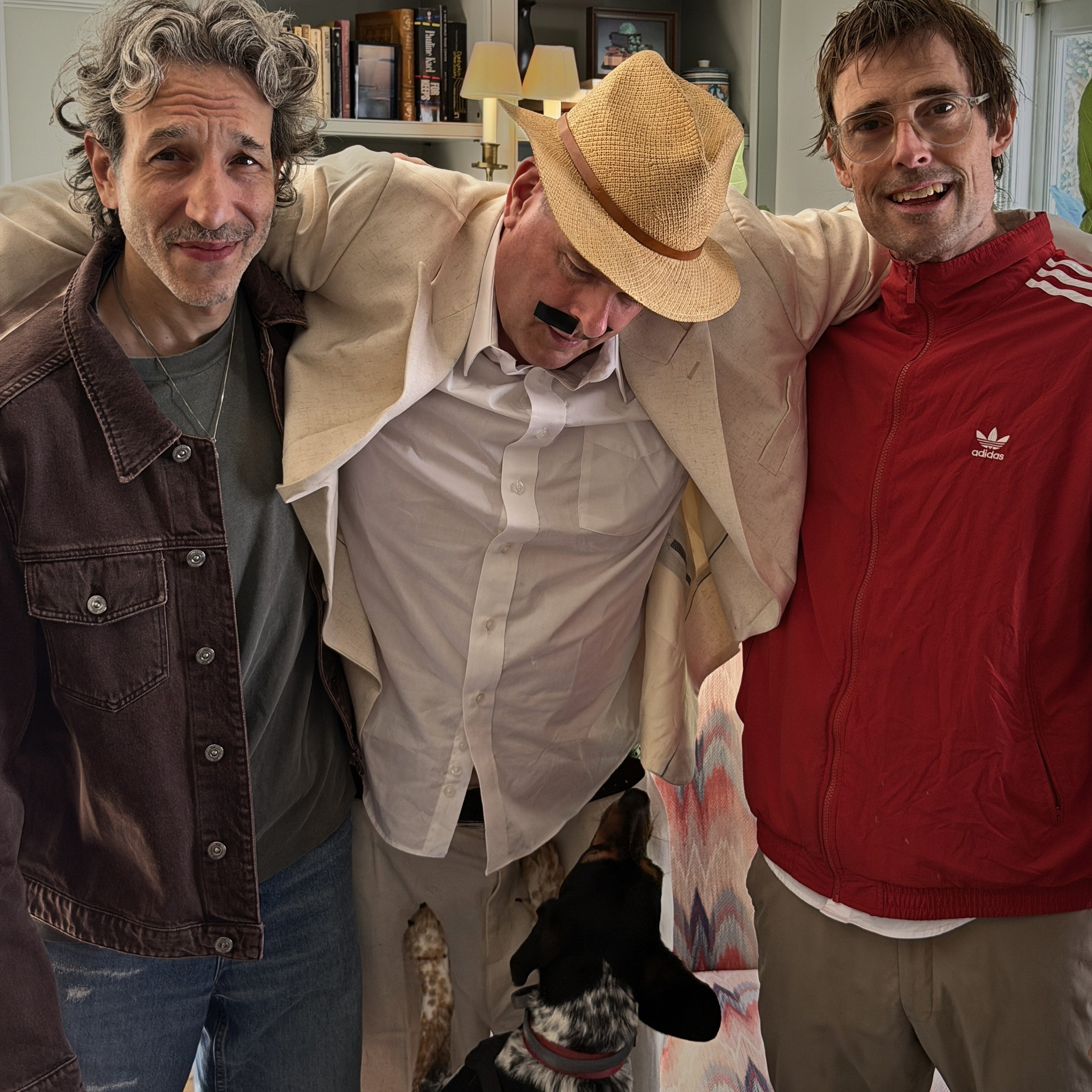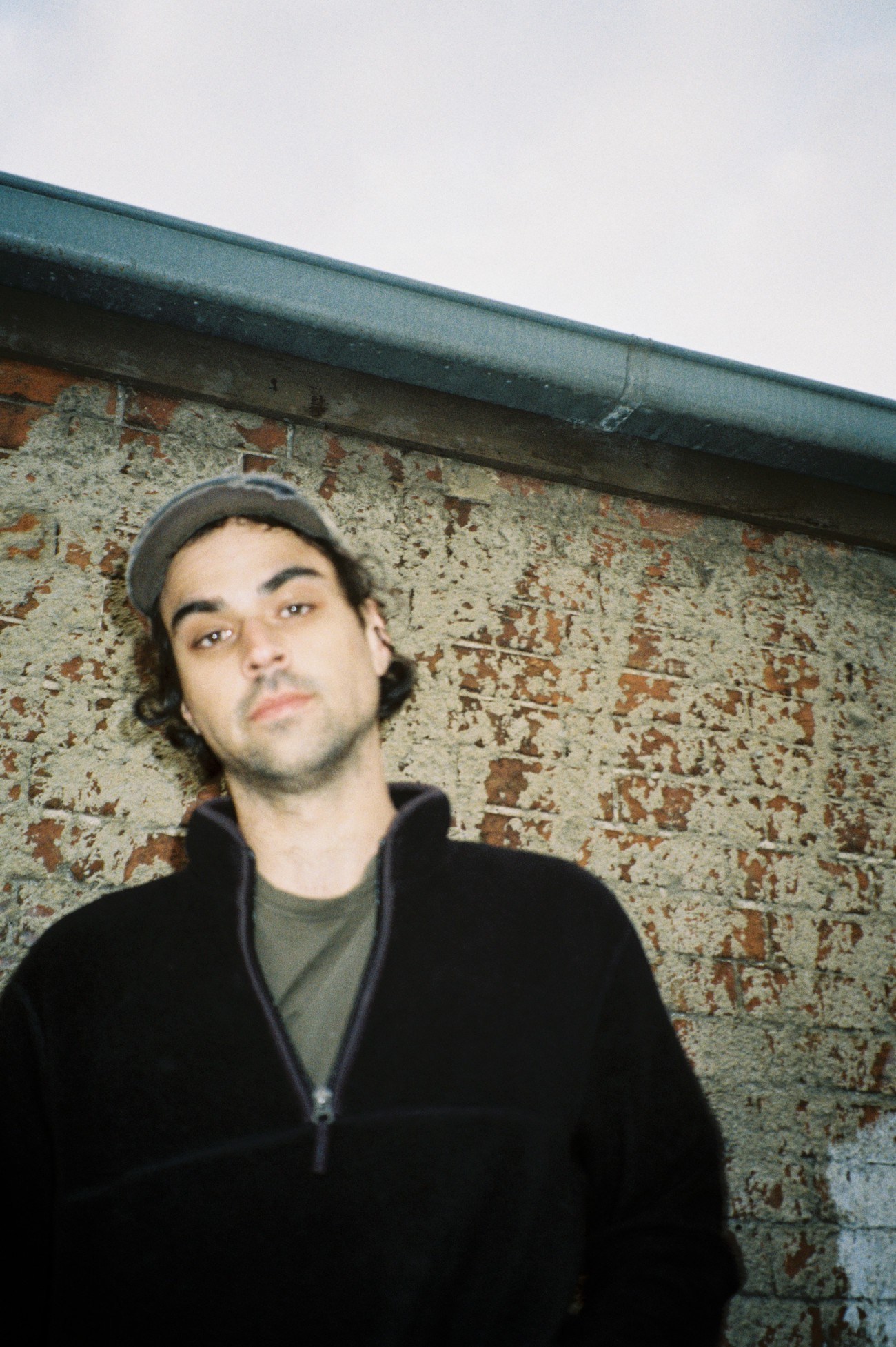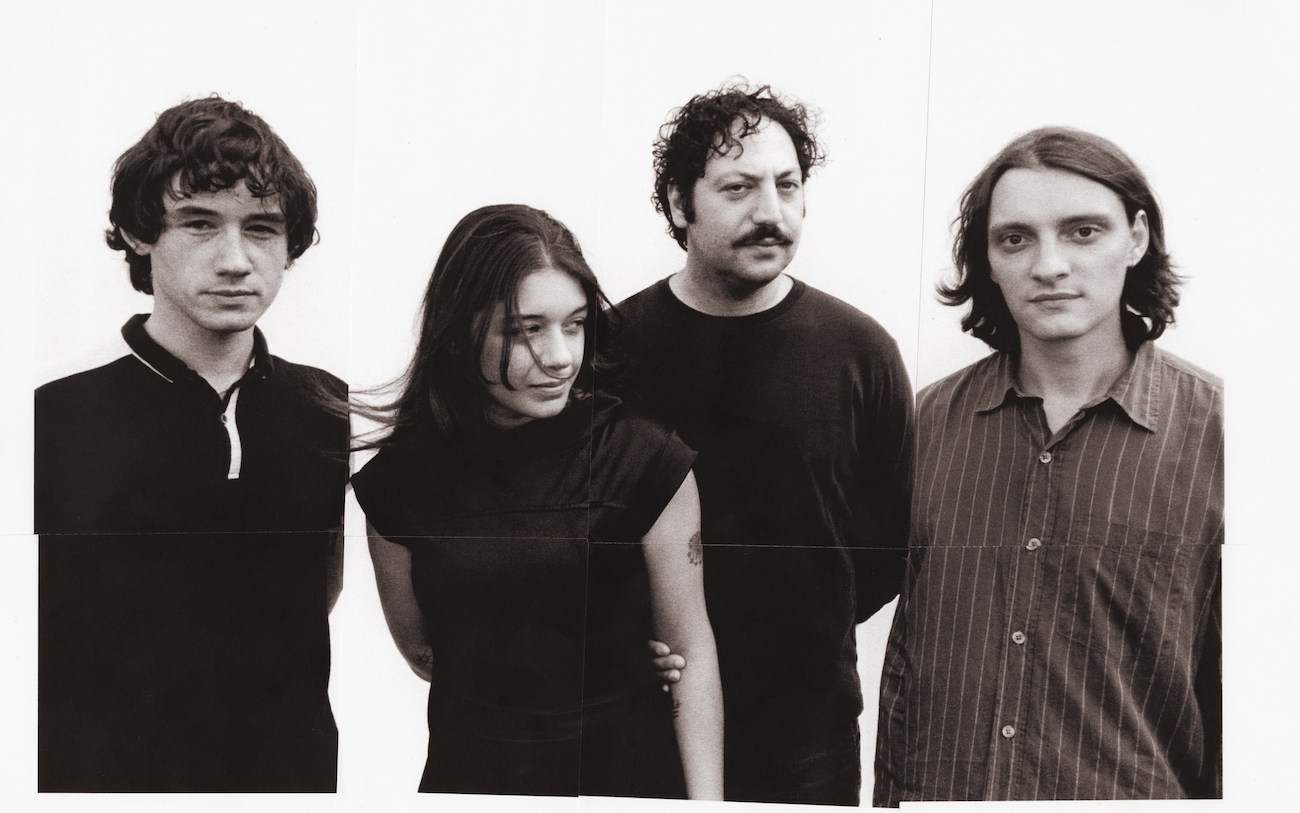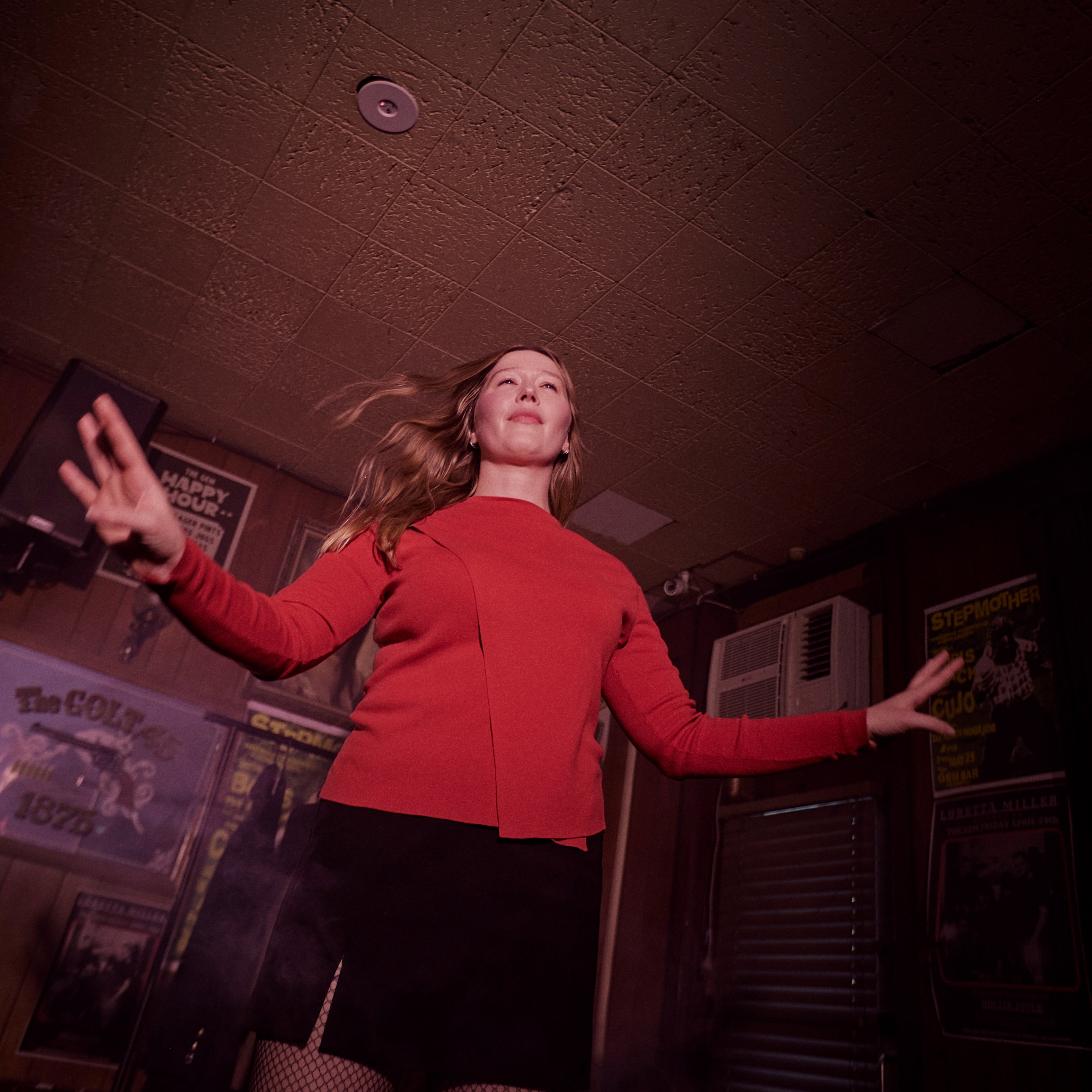

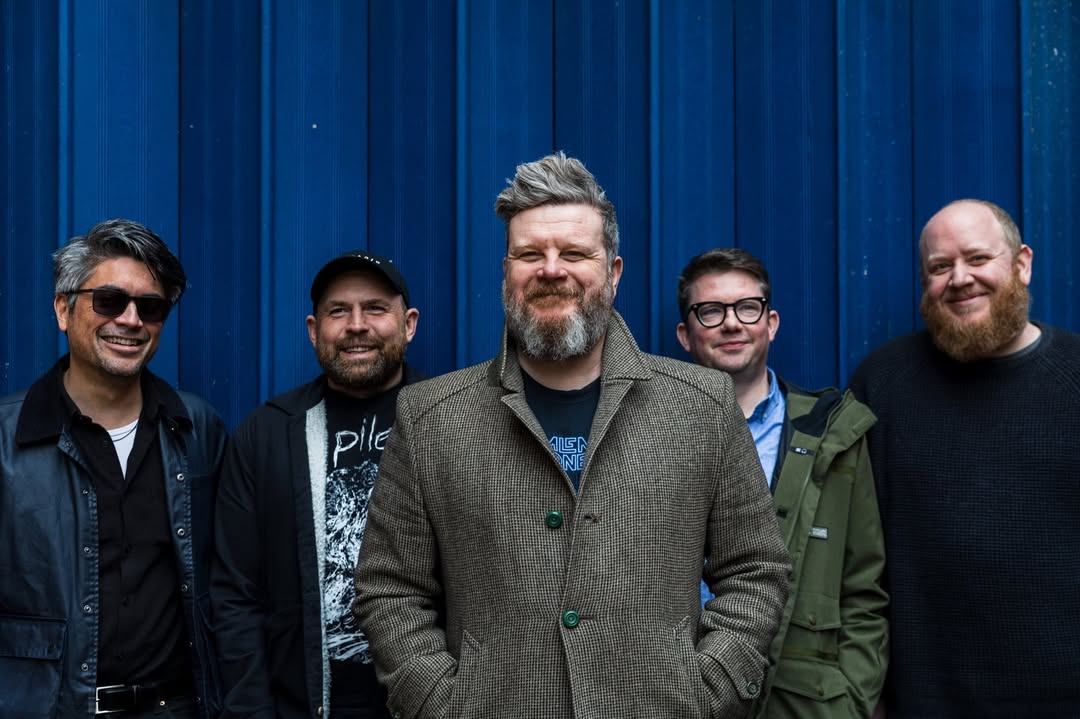
Jim Cork describes Crash Of Rhinos as the ultimate democracy, with an obvious "for better or worse" caveat. "We've always had this thing where if one single person isn't happy with any element, we scrap that part of the song or we scrap that song entirely or we don't do that show," he explains, which has resulted in a catalog of two cult classic LPs and almost no scraps or B-sides.
On the other hand, that means a band with two bassists, two guitarists and five credited vocalists needed to agree on every single second of every single song, and most of them are over five minutes long. Their 2013 breakthrough Knots took about four years to complete, and that was when the entire band was living in the same house in Derby, without kids, marriages or any real career prospects to interfere with the painstaking creative process for their burly and bittersweet take on grown-man emo. Even if Crash Of Rhinos weren't on hiatus for seven years, they still might have taken nearly a decade and a half to finish Logbook.
The group's confidence in their third LP comes from knowing its stakes: Yes, it's an album that's 13 years in the making and will be described as "highly anticipated" by anyone that heard Knots. But they made it first and foremost for themselves. Besides, the band's greatest successes have been largely symbolic. At the risk of getting a little too inside baseball with it, Knots was the first emo revival record to break containment outside of Tumblr, Reddit and the other online incubators that had sustained the term for at least five years. The album moved Pitchfork to give emo its first positive review since…I dunno, Low Level Owl? Crash Of Rhinos subsequently got notice in places like Stereogum and Grantland that likewise had been oblivious to Joyce Manor and Algernon Cadwallader. In perhaps the most timestamped example of Crash Of Rhinos' entry into the greater indie rock discussion, How To Dress Well sang over the acoustic Knots instrumental "Everything Is" on a mixtape prelude to his emo-as-fuck 2014 PBR&B opus "What is This Heart?"
Yet Crash Of Rhinos were too heavy to be lifted by that rising tide. Despite the collective embarrassment surrounding the phrase "twinkle daddy," it was a very useful shorthand for a set of qualities closely associated with circa-2013 emo bands. Crash Of Rhinos were the opposite of just about all of them, evoking Constantines and Hot Water Music far more than Cap'n Jazz. They were also significantly older than their Topshelf Records peers — old enough for several of them to have been in an instrumental math-rock band named the Jesus Years with some extremely "2004 instrumental post-rock" song titles (ex. "My Dancing? What The Fuck Are You On About?," "I'd Steal A Horse For A Bottle Of Bacardi"). Old enough to explain that they have two bassists "not because we're massive Ned's Atomic Dustbin fans," but because they wanted scene pals Paul Beal and Ian Draper to remain in the band without switching instruments.
They also weren't from Chicago or Philadelphia, though Derby is in the geographical dead center of England, which technically makes them Midwest UK emo. There were emo-friendly venues and solid emo bands sprinkled throughout the island, but nothing that truly popped as a scene.Throughout their teens and early 20s, Derby's punk scene revolved around the Victoria Inn, a 150-capacity "music pub" that would host Jade Tree and Deep Elm acts that wouldn't pack the place like "fast punk" bands that sounded like they could be on Fat Wreck Chords. Crash Of Rhinos supported Algernon Cadwallader during their first UK tour in Sheffield, playing to a crowd of maybe 60 people. "That was the one where [bassist Ian] Draper ended up crowd surfing back through the window out into the back," Cork laughs.
And, in classic Midwest emo fashion, they decided to break up the very moment they were on the verge of breaking through, though that's all relative. Despite the positive buzz around Knots, they might still play to a dozen people in a lesser European market and they still haven't made it to the US. A few years removed from touring with Braid, they even formed their own version of Hey Mercedes with Holding Patterns, a new project composed entirely of Crash Of Rhinos members. Cork initially tried to replicate the complexity of his previous band by running guitars alongside a laptop and two looping pedals and soon realized he wasn't in Crash Of Rhinos anymore. "I just remember halfway through the song, Oli [Craven] just like stopped and threw his drumsticks at the wall and said, ‘Fuck this.'" Once again showing their age, Cork, Craven, and Draper began to shape Holding Patterns in the image of the ultimate touchstone of 40-something rock dudes, Sugar's Copper Blue, streamlining Crash Of Rhinos into "this heavy, big, beefy power-trio thing" on their 2019 debut Dust.
Holding Patterns were, ahem, on hold when the Italian label Legno reached out to partner on a 10th anniversary reissue of Distal, Crash Of Rhinos' 2011 debut. According to Cork, the band agreed to a couple of shows to put the era to rest. "But just immediately all of us just came to the conclusion of, ‘What is the point of doing a gig for nostalgia purposes?'," he recalls. "It annoys me when you see bands come back, play the songs from 20 years ago and they don't write anything new."
Though the Holding Patterns trio maintained their collaborative momentum, Beal and guitarist/vocalist Richard "Biff" Birkin were still unsure how they fit into a new iteration of their old band. "I do remember those first initial jams where we were all blasting demos through the PA in the practice room, trying to come up with ideas and all of us just looking at each other like, ‘You go first, man. I'm not doing it,'" Cork recalls. And the silence was broken by the quietest member of the band, Ian Draper. "He just quietly sat there writing lyrics to that and listening back and forth to it over and over and then just walking up to the mic and absolutely like slaying all four of us," Beal says. "Like, Jesus Christ, what is, what is this?"
Crash Of Rhinos describe their third album as their most mellow yet — how could it be anything else? And it's their most consistently engaging. "Everything's more direct than it previously was," Beal notes, and every sparkling guitar harmony, every drum fill, every double-bass arrangement and gang vocal of Crash Of Rhinos' third album is perfectly wrought. There are actual vocal harmonies all over Logbook, not just their previous arrangements of "two or three guys shouting on top of each other." The guitars weave together rather than jamming jagged edges until they fit. They're as content to ride a groove as they are alternating three and five-bar fills until it evens out to 4/4. If Knots and Distal were best suited for an emotionally draining power-lifting session — clenched fists, gritted teeth, explosive bursts of energy followed by dazed recovery — the understated intensity of Logbook makes it physically taxing like pilates or hot yoga.
If Logbook doesn't arrive with the same hype of revival-era revivals from American Football, Braid, and Mineral, it carries proper lore: The instrumentals were recorded in the Derby Central Library building, located a few hundred yards from Crash Of Rhinos' old house, while the band did vocals in a converted barn in Cumbria that served as a hangout for Allen Ginsberg and David Hockney in the 1960s. But above all else, they want everyone to know that their painstaking, protracted process of songwriting was "not arduous at all" and "very patient and fun." Not unlike the only other published music of Crash Of Rhinos that had been released in the interim — a video of them covering Oasis' "Some Might Say" in front of a Slipknot poster. "We take the music so seriously, but everything else was an absolute piss-take," Beal jokes. "This is why we never got anywhere, man."
Below, hear Logbook's opening track "Figures Of Light" and read excerpts from our conversation.
As Knots was starting to get some momentum in 2013, were there thoughts like, "hey, maybe we can start to tour the world or do festivals or support ourselves solely from Crash Of Rhinos"?
JIM CORK: After we broke up, people would be like, "Why did you guys break up? You were right on the cusp, you were really popular." But for us, it didn't feel like that, especially in the UK. If you put aside all the interpersonal stuff that went on between us all the time, it just felt really difficult.
RICHARD "BIFF" BIRKIN: It was a real trudge. The thought of scaling that to earn a living wage was a dream, but it would also have been a fucking nightmare.
PAUL BEAL: We came back from our most successful European tour and we were all just like...feeling exhausted by the whole thing even though it technically went really, really well.
CORK: I think a lot of that also just came down to how, by that point, we'd all been living in each other's pockets for 15 years.
BEAL: From 2005, different variations of the five of us all lived in the same house.
BIRKIN: The front room was the practice space, and the neighbors were dead because it was a funeral home. So it was perfect.
CORK: Literally, if you stood in our kitchen window you could see the conveyor belt that they used to send the bodies up to be prepared.
Yours is, sadly, a pretty common story in emo. I think of Braid making a record about how excited they were to not get jobs out of college and dedicate themselves to their band, selling like 10,000 copies and touring Japan and Hawaii. That was a big success for a band at their level, but they broke up a year after Frame And Canvas dropped because they were just exhausted after grinding for six years. Was there a sense around Knots that, "Hey, maybe we need to think about starting families or having a career"?
BIRKIN: When we toured with Braid, we couldn't play the final show of the date because it was my wedding day [laughs].
BEAL: I don't even think any of us considered careers at that time as well. It was sort of like, "We're doing this, we love it, we're having a good time." And then you come out the other side of it and go, "Yeah, I should probably get a proper job now or try and start to sort things out for myself." And it's only in the last few years that I know that me and Biff have got kids and that's just a natural progression of things as opposed to any sort of plan. The way that it's all come about now is that we're all in a more peaceful sort of place. It's just the mellowing of getting older.
OLI CRAVEN: I remember that that last tour was quite hard. It got to the point where it was like, "The juice isn't worth the squeeze." We never really played "the last show," there was never some massive breakup. It was just a case of, for now, it was just going to burn itself out.
Likewise, a lot of bands who do decide to play that last show see all the love they're getting and think, "Oh, man…was this a mistake?" Were there any conversations between the initial hiatus and the start of Holding Patterns about getting back together?
CORK: Me and Oli didn't really speak for like a year or two. I think we just all got to the point where we just needed a break from each other. I remember me and Oli got together probably like two years later for a drink in Derby and Holding Patterns was born that day. As soon as me and Oli started talking again it was like, "So we're doing a band right?"
CRAVEN: There were loads of riffs that we had, I'd been writing constantly. Something was going to happen, but I think we just needed everyone to reset. I think we [as Crash Of Rhinos] had like maybe that one jam, maybe two.
CORK: Biff, you were living in London and dealing with a lot of stuff with your family at that time, weren't you?
BIRKIN: My daughter had just been born, so I was going into a whole new phase of life that I was incredibly ill-prepared for. I didn't have the mental energy to do any heavy lifting whatsoever. It always had to be 100%, where we're all completely level on our commitment and intent. And if it's ever off, that's where we get a bit discombobulated, and it was like, "Look, this just ain't happening."
I always find it interesting how a band can go from "we're playing for 10 people, but this rules" to "we're playing our biggest shows ever and I don't know if I can do this anymore" within two years. What made the Knots shows more untenable than the ones that came before?
CRAVEN: In the Knots days, "10 people showing up" definitely happened. That's why that last tour was so difficult, because we'd go from a peak somewhere in Italy where we're playing like some absolutely packed out-clubs where people wanted to see us and loved all the songs and then in Switzerland, we played to three people.
BEAL: Caveat, because the house show in Switzerland was good.
CRAVEN: "Fucking hell, there's nobody here. How does that happen?" But that's how we wrote "Mannheim" [from Knots], because we had the whole club to ourselves all day. We had this huge sound check, there was no support band or anything.
BIRKIN: We just wrote that song and there were so few people in the crowd, we thought, "We'll just play this new one." But it's a good point, Oli — we'd play amazing shows in Italy, then we'd come back home and tour the UK and you'd be paid, like, petrol money and there'd be 10 people there and the promoter would be looking at you like, "You should be grateful for that."
CORK: You want to sleep somewhere?
BIRKIN: The stale pita bread and a bag of warm lettuce wasn't enough food?
CORK: The thing always about Europe was that no matter where you play or how many people turn up at the show, generally, you always got a hot meal, very often a shower, a hotel, decent food, breakfast the next day, supplies for the van for like bottles of water to take to the next venue. Whereas the UK is as DIY as it can get at times.
BEAL: Nothing against any of the promoters in the UK or any of the people doing the work out there because there's people really trying to get stuff done, and it was always a proper slog to encourage people to go out to see bands that they've never heard of. It's so expensive, everyone's always trying to figure out where to best spend their money and often it wouldn't be our gigs [laughs].
After the false start in 2016, what finally brought Crash Of Rhinos back together?
CORK: There were definitely people saying, "If you ever want a show, just hit me up." So we arranged to have this practice where we all spent like the two weeks leading relearning how to play songs off Knots and Distal, and we had a great time. But we were very much immediately of the opinion, "No, this is going to be a record." And we're not going to say a word about it until it's a record and it's ready to go. At the end of that day, we booked this random hourly rate rehearsal room and the guy who ran the place came in and said, "I don't suppose you know any bands who want a residential rehearsal room that's just theirs, do you?" Yes, us, we'll take it.
BIRKIN: It was proper serendipitous, the universe telling you that you made the right decision.
BEAL: That ties back into what we were saying before. Other times where we tried to do something, it just wasn't the right time. But then we were all in the right place. And it's like, why don't we just carry on doing this instead? I liked the fact that we kept it to ourselves and just basically just cracked on writing this. It made it feel like doing Distal because no one knows that you're doing this thing and it's just for you. We're doing it for the sake of us to enjoy writing something again.
How did that feed into the themes of Logbook?
BIRKIN: What we're writing about always becomes apparent afterwards. For me, it's coming to terms with the part of your life where things start happening in a big and meaningful way. People start dying, perspectives on and personal values change because of fatherhood or mental health. There's one song, "Exercise In Memory," where we just started writing about this hotel in Darby where a woman had lived alone for like 15 years, and then she died and they and they demolished the place. You know, ideals and lost love and life taking a turn for the worse, but still holding on to the dream.
There are shows booked, but any possibility of touring?
CORK: We're doing a mini-tour of Italy, so there's three shows there. But "let's do 30 days on the road," I don't know how we'd make that work.
BEAL: No chance.
CORK: Do stuff that you know is going to be good in short spurts.
BIRKIN: And that's been a kind of philosophy about this incarnation of Crash, hasn't it? Only do it if it's going to be good. Don't slog a 15-hour drive for a shit show just to play a show. If we've collectively only got this much energy or fucks to give, let's make sure they're put to the right things.
CORK: All shows have to be within 30 minutes of home.
BEAL: We're basically like Stanley Kubrick just refusing to go anywhere.
I've talked to enough bands who've come back from over a decade and after they put out that first record, they're ready to put out another in like six months. Any chance of that here?
BEAL: We've got one or two unused songs left after 20 years of writing together, it's not gonna happen. It's going to be like a decade before we do another thing.
TRACKLIST:
01 "Figures Of Light"
02 "Years Out"
03 "Recurring"
04 "Errata"
05 "Exercise In Memory"
06 "Every Dark"
07 "Meeting At Distance"
TOUR DATES:
07/17 - Nottingham, UK @ Bodega (w/ Real Terms)
07/18 - Leeds, UK @ Quiet Steps Festival (w/ Braid, Faraquet, Hey Mercedes + more)
07/23 - Brescia, IT @ TBC (w/ FBYC)
07/24 - Rome, IT @ Monk (w/ FBYC)
07/25 - Umbertide, IT @ Italian Party (w/ FBYC)
08/01 - London, UK @ Moth Club (w/ Real Terms)
08/15 - Bristol, UK @ The Louisiana
Logbook is out 5/22 via 12:01 Recordings in the UK, To Lose La Track in Europe, Storm Chasers in the US, and Stiffslack in Japan. Each label has its own exclusive vinyl colors. Pre-order it here.