
- Atlantic
- 2026
The other day, I watched Crash for the first time. Even though I’m a fan of director David Cronenberg, the king of body horror/awe and sexual fantasy, for years I mistook his Crash for the 2004 thriller of the same name that I had to watch in high school to discuss the complexities of racial tension. Cronenberg’s Crash is not about racial tension. It’s about people fetishizing death and getting turned on by car crashes. It’s a remarkable film.
There’s a scene in which the unnerving voyeur Vaughan, played by Elias Koteas, reenacts the fatal car crash of James Dean as if he’s hosting a DIY show. After replicating the crash, Vaughan drags his body out of a crumpled Porsche, closing with the line “James Dean died of a broken neck and became immortal.” Post-show, he worries if it was too “glib.” It isn’t — it captures the paradox of art and death and legacy. It’s also an important puzzle piece of Music, Fashion, Film. Reductively put, Charli XCX’s seventh studio album (outside of mixtapes, soundtracks, etc.) meticulously connects all the passions that have transformed her into the pop culture visionary she is today. Music, Fashion, Film might not be as taboo as Cronenberg’s Crash, but as a pop album it feels like her most dangerous while sounding like Charli at her most comfortable.
Charli XCX has always understood pop music as a conversation between worlds: music speaking to fashion, fashion speaking to film, celebrity speaking to identity. Her work has never just been about the song itself, but about the complicated machinery around it — the personas we build, the fantasies fans project, and the uncomfortable gap between who someone is and who we want them to be. Her latest album embodies how all these bizarre, chance facets of taste and exploration must exist in order to advance the conversation around herself, pop music, collaboration, etc. Music, Fashion, Film is the culmination of that obsession. This album is a totem for how each form is a language to understand the other.
Brat was its own beautiful, vomit-green spectacle. It explored vulnerability and persona from an artist who has interrogated the limits of pop stardom ever since her purple-hued debut True Romance. Its follow-up may be a sonic pendulum swing, but it feels like a sister album in the way it pushes listeners into even more uncomfortable territory. Through infectious MySpace pop melodies and gunky guitar distortion, Charli tussles with creative grief and finding that its spirit has possessed a new project. And lyrically, it doesn't sound like pages ripped from her diary or having a conversation with a close friend. It's more refined. It's heavier. It's honest but maybe not as candid as Brat felt.
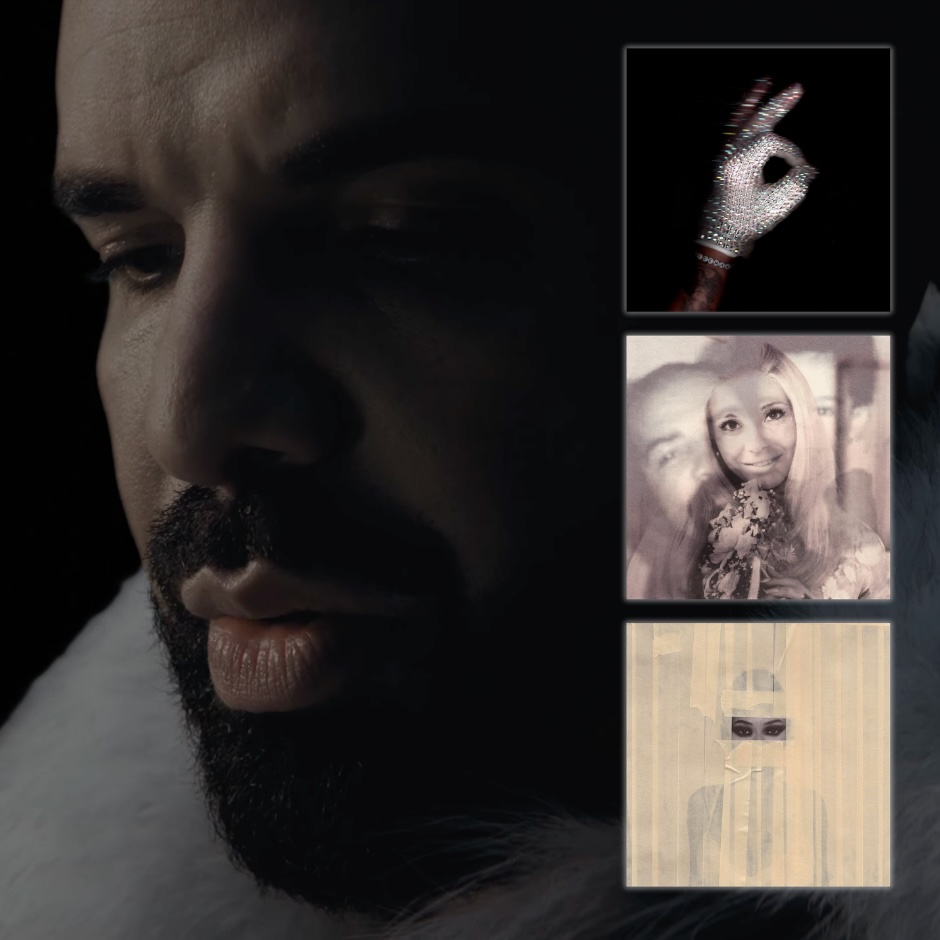
Where Brat had a remix companion that saw Charli in conversation with fellow pop musicians about media-generated feuds, grief, fame, and partying, Music, Fashion, Film has one sole, brilliant feature — Cronenberg himself. On closing track and MFF’s emotional thesis “No One Lasts Forever,” he’s not singing or adding any body-exploding physical effects; there is no working it out on the remix with death. After Charli talks reality and philosophy with a French girl amidst dead zone guitar zaps and pearly synths, we’re dropped into Charli XCX and David Cronenberg's deep conversation. The excerpt that’s used is eerily reminiscent of Vaughan’s James Dean’ line: “I mean, we could talk about immortal artists of various kinds and it can turn out that yes, some artists have created art that has really survived thousands of years and that’s fantastic. But experientially, for them, they are dead. They are gone. They are not experiencing that.”
Cronenberg doesn’t talk about death with sadness or regard legacy with a heaviness in the wake of an artist’s passing. “Thank goodness for them,. I really feel” he continues. “And you hear me assuring you that oblivion is freedom.” His words stretch and warp until they feel almost physical, like memories melting. I can't help but think Steve Reich. The track moves toward something like freedom: Oblivion is not tragedy, it's release.
It makes the songs's opening verses, the ones about being pigeonholed by Brat’s coke-friendly ethos or its career defining marketing campaign, come into sharp focus. As do earlier meditations on celebrity, creativity, and the entertainment industry like “Do I want to make music?/ Am I being fucking stupid if I try to be a girl on the screen when I’m turning 34?” (“Camera”), or “All this pain makes me believe I’m a better artist now/ An excuse I tell myself to act selfishly” (“I’m Afraid”). Macabre as it is, eventually we won’t have the capacity to overthink these things so why waste time worrying about it now? There’s no way of knowing our legacy. Just make the damn thing.
If you really listen to this album, MFF blows the meta-marketing of Brat off the table like mishandled blow. The conversation around Brat, especially online as each version of it unfolded, revolved around finding who and what each song was about. By working it out on the remix, Charli presented that album with a cushiony counterpart to the tension each track mythologized. Our world has become obsessed with inside information as a form of power and control in the guise of being closer to someone’s creative persona.
As I dug more into MFF, I found myself falling into the trap of wanting to spot all the references and make sense of them. But every time I reached the Cronenberg segment, I kept reminding myself I didn't want to think my way through it.
This is a pop album that makes you want to think and challenges you to feel. It is existential and silly, sentimental and sincere, ridiculous and devastating. It winks at the Teenagers and Lou Reed and feels like it could soundtrack a Sofia Coppola film.
At times, that feeling doesn’t have any concrete bearings, just the freedom to change one's mind (“Yeah”). Other times, it’s the tangible assuredness that a new pair of shoes or handbags might give (“Card Declined”). With Music, Fashion, Film, as Charli has done with several of her albums, she shows us the final product as well as behind the scenes. MFF also has an accompanying visual film that details the evolution of tracks and visual language. Both provoke something and neither is truer than the other; the entire process proves that artifice — like creative persona or fantasy or the sense of danger — speaks to the soul, making it rear its head if only for a moment.
Is art supposed to save us? Is anything actually going to save us? If the art outlives us, does that make it more important? From the beginning, there is a sense of nihilistic freedom: there is no saving anyone. MFF has a profound tension: art won’t save you, but it will outlive you. The album’s world is filled with mall nihilism and ego-maxxing and people trying to buy, build, and perform themselves into existence. But what keeps MFF afloat is not cynicism, but renewed gratitude that the most important memory survives in the ones we love and know, even if that will also fade away regardless.
These hefty questions don’t weigh the album down, although some verses come dangerously close to a lyrical pile-up. Instead, Charli turns to what she does best to get through stormy quandaries. She throws parties and makes things with her friends. She spends time with the people she loves the most.
Those friends — producers A. G. Cook and Finn Keane — prove to be her strongest collaborators still. Throughout, MFF balances sardonic and fragile lyrical tones with vibrant and rigid textures. It sounds like a collision between late-2000s blog-house and a lost Britpop era (for example, the Blur-leaning “Yeah”). Musically, the album is fascinated by the past for its thrill rather than for nostalgia. There are traces of new wave (“Magic Metal Montana"), old-school rock 'n' roll, late-2000s indie, and the strange digital optimism of the early internet. The guitars feel influenced by the era of Daft Punk-inspired electronic rock, while the drums often have the texture of a live studio performance. The whole album is cotton candy and gunpowder, whereas Brat was volatile liquid, flammable and acidic.
Charli celebrates her friends and collaborators even when they aren’t physically present, ghosts of creative relationships that exist less as biographical references than emotional imprints. We get emo Charli channeling Yung Lean on “I’m Afraid," borrowing his familiar melancholy and turning it inward. The album's gloomiest track also sound like it might have come from those Wuthering Heights writing sessions, allowing Victorian-era melancholy to unleash something furious and feral in her that feels Cobainian.
A big part of this album’s emotional power comes from hearing Charli loosen some of the armor that has long defined her vocal work. The stripped-back use of Auto-Tune doesn’t mean she’s suddenly revealing some hidden, “real” version of herself — the vulnerability has always been there. Instead, she’s more comfortable letting those cracks show. The persona is still there, but she’s no longer using it to hide.
That idea shapes “2007,” a song about the imagined mythology of being a pop star in your bedroom. It’s sentimental but not exactly nostalgic. It’s about TikTok, but it could easily be about the world pre-internet, when posters on a teenage wall were a fan’s closest proximity. It captures the boredom, the longing, and the strange feeling of projecting an entire future onto an idea of yourself. It recalls the digital loneliness of artists like Yeule — the feeling of living inside a constructed world because the constructed world is sometimes more exciting than reality.
Pop music has always sold immortality: we’ll be young forever, this moment will never end, I love you forever. Charli does something radical by refusing to pretend. She reminds us that the fantasy was never real, and that is exactly why it was beautiful. It feels like a favor. It feels like grace.
Vaughan believed death created immortality. Cronenberg argues that immortality doesn’t matter because the dead are gone. Music, Fashion, Film lives somewhere between those ideas. It understands that fantasies aren’t real. Pop stardom isn’t real. Forever isn’t real. But phantasmically, the feelings they create are.
Some art isn't trying to save you. It's trying to keep you company while nothing saves you and all the people that created it are gone.
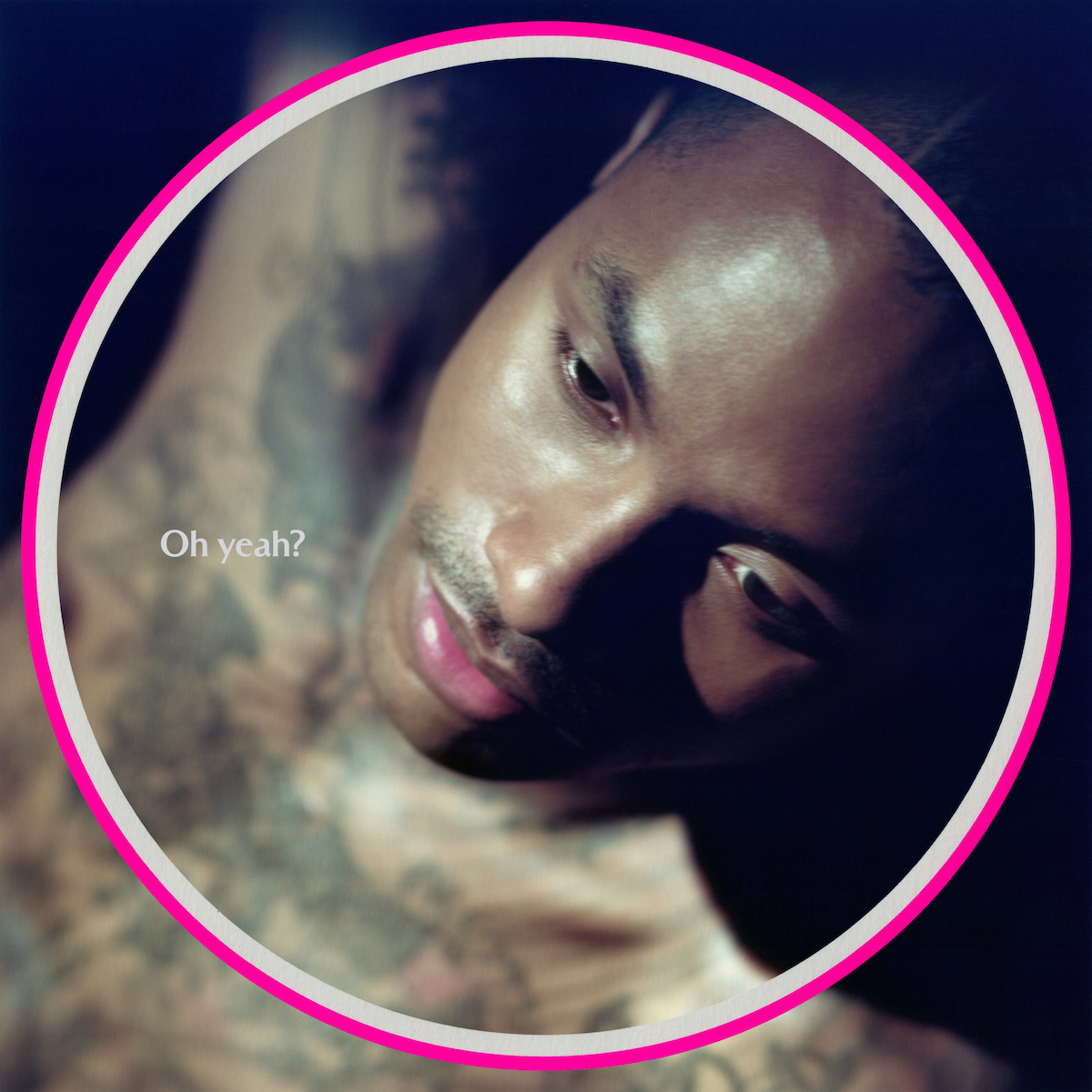
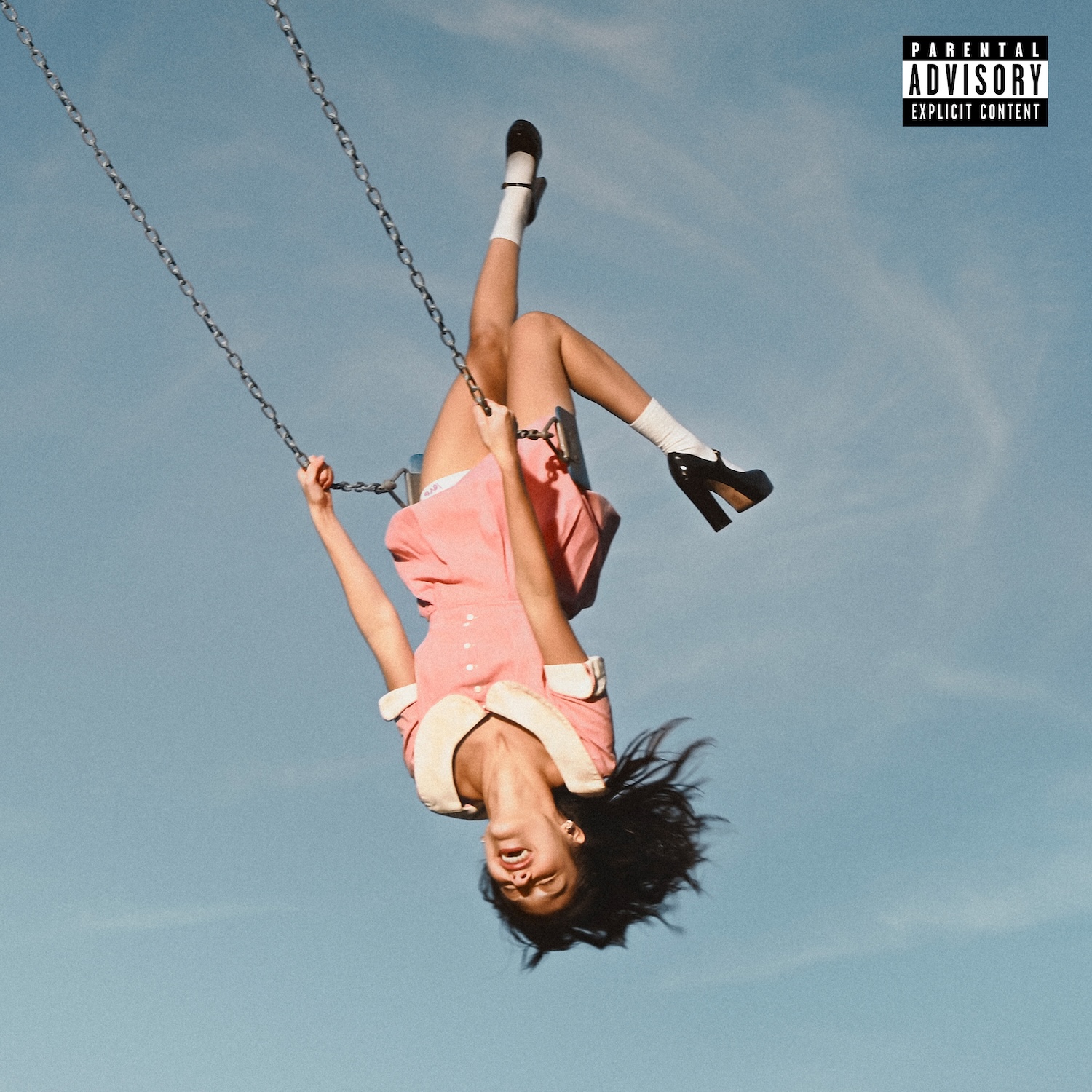
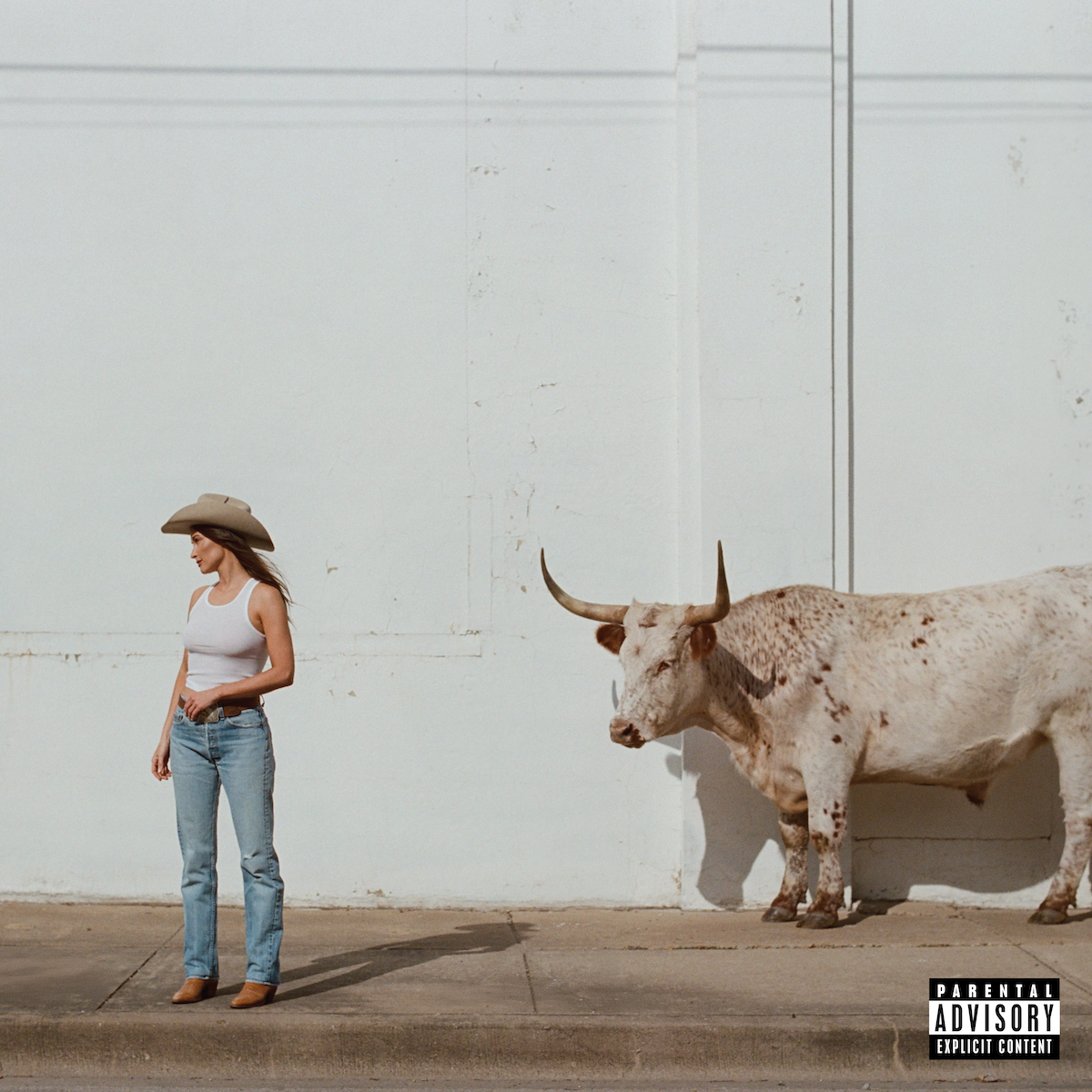
Music, Fashion, Film is out now via Atlantic.