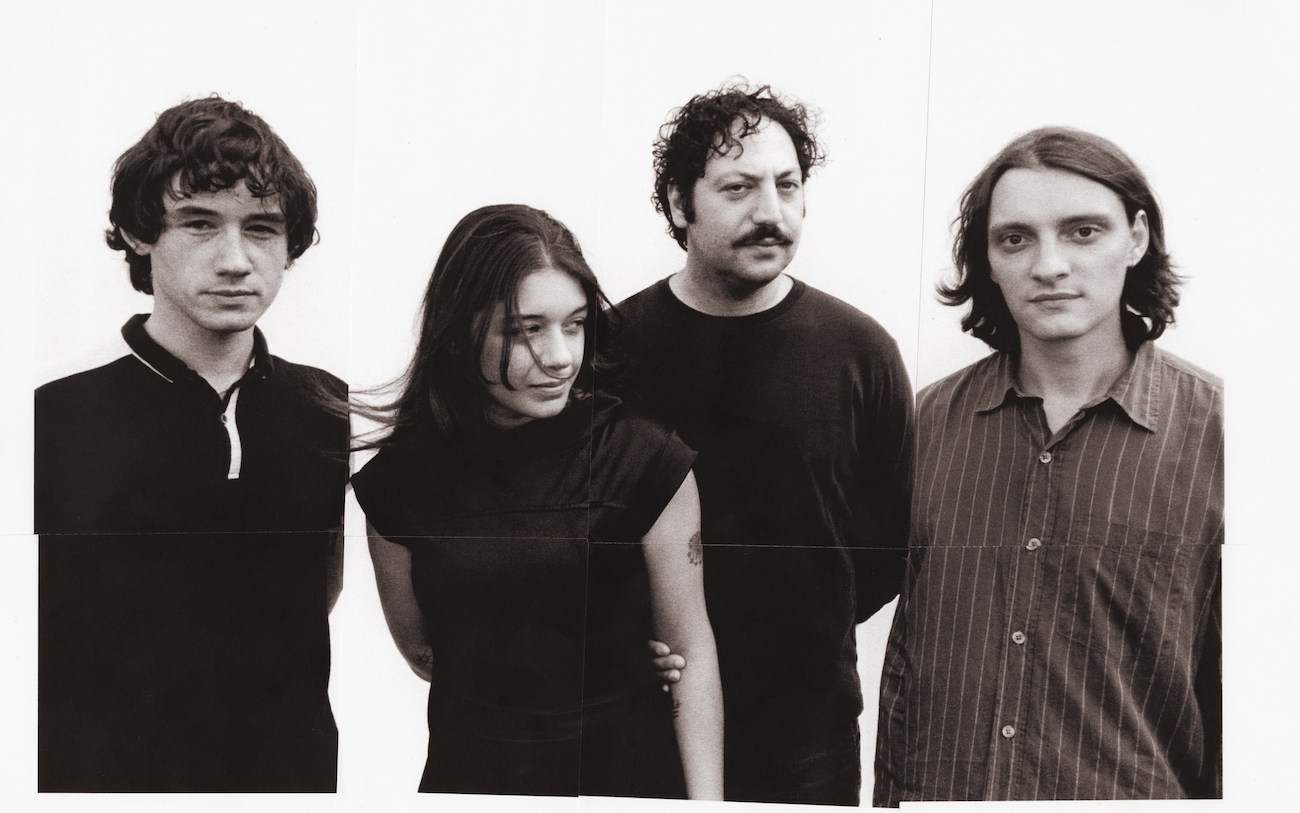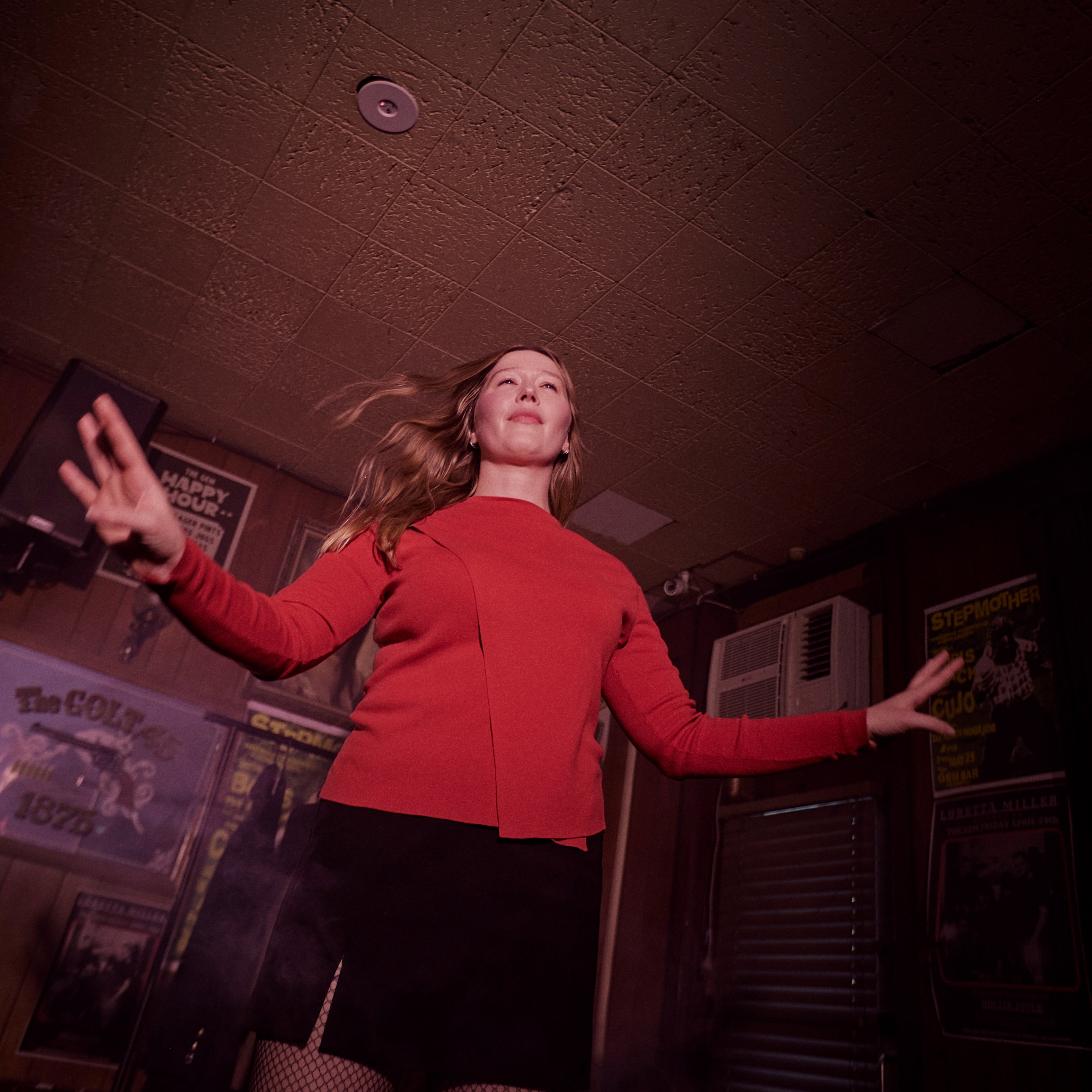


Madeline Johnston's lyrics speak for themselves: “All of my songs are love songs...All of my songs are about death.” This refrain from “Killdozer” on No Depression In Heaven, out today, comes later in the record, after songs about the omnipotence of rock and roll and a funeral dirge for a Toyota Sienna. Johnston's music as Midwife is simple on the surface but so is mourning. There's an obvious sadness to a funeral, but there's also a swelling of emotions inside each mourner, complex and delicate, that aren't as easy to articulate.
“Killdozer” is about Johnston's relationship with the city of Denver, where the population boom and bust is palpable, as is the feeling that something's missing. The epidemic of corporatization and empty luxury condominiums spread through the city long before we knew what “coronavirus” was. But in the city's collective mourning, there's an undercurrent of rage and frustration against the people who did it. Driving down any main drag in Denver means seeing signs for places that no longer exist, pushed out for something new that can pay more money in rent. They're repurposed to give a kitschy new identity for some forgettable coffee shop or thrift boutique, displayed like the antlers of trophy bucks on a hunter's walls. When that's the norm and it's been happening for decades, Marvin Heemeyer's dramatic 2004 act of protest against the city of Granby, CO (two hours northwest of Denver) feels like a rational next step.
No Depression In Heaven is an album about death and love — they all are — but it's also the first Midwife record about the world at large, the first one where Johnston's experiences as a full-time touring musician can reflect in the art. A Flenser debut in 2020 brought Midwife exposure across the underground, and Johnston got to take her music nationwide in 2021 after the release of Luminol. Her songs are deceptively simple and intimate, with slow guitar licks that are recorded in such a way that every slide up and down the fretboard, every lift or press of the finger, is audible. She has often repurposed corded home phones to use as microphones, making every song sound like a conversation with a loved one. Listening with a closer ear presents these emotional swells and atmosphere that feel natural, like how the brush strokes in a Rothko are imperceptible even when viewed up close. The songs have a tendency to feel familiar, even when new, suggesting that even if this is the first time she's been able to tour full-time, she's always been here.
The album starts with the lyric, “If rock and roll is a dream, please don't wake me.” “Droving” begins with Johnston confidently saying, “I have always been asleep.” I was lucky enough to share some correspondence with Midwife ahead of the release of No Depression In Heaven, and she'll tell you herself, she's living the dream. Below, stream the new album and read our exchange.
The last two Midwife full lengths were released when touring was off-limits and then precarious. Was touring a shock to your system after quarantine? Have you enjoyed touring?
MADELINE JOHNSTON: Yes, touring after the quarantine felt very shocking and uncertain, but I also think some of those early tours were quite important, because everyone was so hungry for it. I love touring, it's profound and mundane and exquisite. Coming back to touring in 2021 felt like entering a different world. Previously I had just done DIY tours and I was suddenly on much bigger packages. Such a whirlwind.
You have become a bit of a prolific collaborator in recent years. How have those experiences affected how you write a Midwife record?
JOHNSTON: I don't think my collaborations have affected how I write for Midwife, but I want to continue to lean into it, specifically in the writing process. As a solo artist, collaboration is a way I can bring my project to life and connect with other musicians. Next year, I hope to focus on more collabs.
https://youtube.com/watch?v=TKKGtrURWXkhttps://youtube.com/watch?v=CYJ1dUoDe8w /wp:paragraph -->